Fit at 50: how long? Feel it first, measure it later.
An honest timeline, without promises.
It depends on where you start, so I measure rather than promise. Most of my clients tell me they feel lighter and stronger around day ten. The measures take longer, which is why we retest them every 12 weeks. Being fit at 50 is not a finish line: it is a level you build, then keep.
Four stages, honestly.
- The first days. Most of my clients tell me they feel lighter and stronger around day ten. That is how it feels, not yet a measure.
- The first 12 weeks. We retest the agreed measures from the first call: a one leg stand, upper body strength, a squat and posture. The numbers show what is working, and what needs to change.
- After that. Some people have what they came for after 12 weeks. Others need 12 more, and Z24 follows only if we both agree it is needed.
- From then on. Fit is a level you keep, in about three hours a week, often less.
What my clients tell me is their report, not a promise. Results vary between people.
Where you start, and what you keep.
- Your starting point. Someone who already walks and lifts a little starts further on than someone who has not exercised for years. That is why we measure first.
- Consistency over intensity. A plan you keep does more than a harder plan you drop. Every session has to earn its place.
- Recovery. In my clients over 40, the ability to build muscle has not gone, but the margin for error has. A missed night of sleep or a rough week of eating shows up sooner, and costs more.
- Food, structured, not cut. We do not start by cutting food. Food comes into it, but cutting it is not where the work begins.
Know your starting line.
You cannot tell how long it will take until you know where you start. Four short tests at home show where you stand against the published average for your age. Research links three of them, balance, push-ups and the floor sit and rise, with how long people live.
In a study of adults aged 46 to 75, floor sit and rise scores of 8 and above sat in the lower risk groups.
Write your results down, and take the same tests again in 12 weeks, on the same floor, in the same way.
Research links: a pattern found across a group of people, not a prediction for any one person.
Sources and related pages.
What people ask first
How long does it take to get fit at 50 if I am starting from nothing?
It depends on where you start, which is why I measure first. Most of my clients tell me they feel a difference around day ten, and the measures are retested every 12 weeks. If you have not exercised for a long time, talk to your GP before you start.
Can you get really fit at 50?
Yes, in my experience, if you measure where you are and build gradually. Really fit at 50 means strong, steady on your feet and able to do what you want. It does not mean training like an athlete, or doing what you did at 30.
How many hours a week does it take?
About three hours a week, often less.
Why does it feel slower than when I was younger?
In my clients over 40, the ability to build muscle has not gone, but the margin for error has. Recovery counts for more, so the plan builds gradually, with easier weeks planned in advance.
Is 12 weeks long enough?
For some people, yes, and for others it is a start. Z12 is 12 weeks for £900 in total, with a full refund within 14 days. Z24 is 12 more weeks for £2,100, in one payment or two, only if we both agree it is needed.
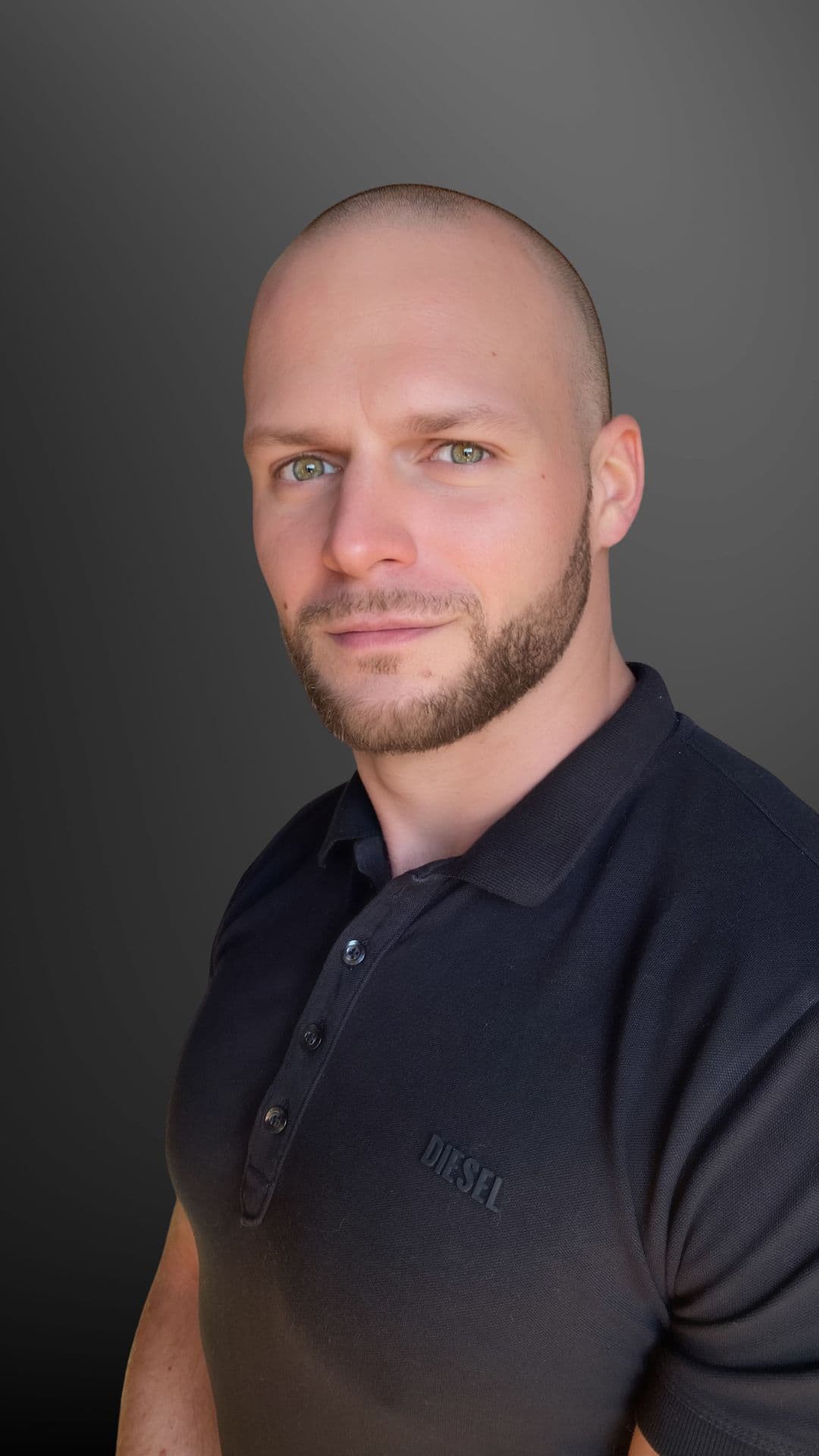
Francesco Zen, founder of ZTraining
Last reviewed 10 November 2026. General information, not medical advice: if you have a health condition, or have not exercised for a long time, talk to your GP before you start.
Twenty minutes, with me.
We talk about your week, your health and what you have tried before. If the programme fits you, I will say so. If it does not, I will say that too.