How to get fit. Measure first, then build.
Where to start at home, and how to keep going.
To get fit, measure where you are first, then build in order: strength training on two or more days a week, more movement through the day, and easier weeks planned in. Start at home with a chair, a wall and a little floor space. Begin smaller than you think, and retest every 12 weeks.
How to get fit at home, for beginners, in order.
- 1. Measure first. Take the Five Minute Baseline: three quick checks at home, balance, a squat and your energy, scored on your device. You know where you start, and you can see what changes.
- 2. Strength on two or more days a week. A squat to a chair, a push-up against a wall, a row, a hip lift and a plank. Support first, load later. The WHO guidelines for adults include muscle strengthening of the major muscle groups on two or more days a week.
- 3. Move more, in short bursts. Research links short bursts of activity with better health, even in people who do no formal exercise. The stairs, a brisk walk between calls, a few minutes away from the desk.
- 4. Do not start by cutting food. Food comes into it, but cutting it is not where the work begins. Two big changes at once is one too many.
- 5. Plan easier weeks in advance, rather than waiting until you are run down.
- 6. Retest every 12 weeks. The same measures, in the same way, so the numbers tell you what is working.
Short bursts of activity: Nature Medicine, 2022. A link found across a group of people, not a promise for any one person.
How to get fit fast, and why fast backfires.
Begin smaller than you think. Doing too much early is the quickest way to stop. Load goes up only when the current weight is steady, and the same goes for time and for how often you train.
Recovery is part of the plan, not an afterthought to it. Plan easier weeks in advance, rather than waiting until you are run down. If you are starting later in life, am I too old to get fit at 50 covers what changes.
How to get fit and stay fit: fit the plan to the week.
My method takes about three hours a week, often less, at home, in a hotel room or in a gym. Every session has to earn its place.
A plan you keep for 12 weeks does more for you than a harder one you drop. A plan that fits the week you have is the one you keep.
Why get fit? Strong, steady and able.
Fit does not mean training like an athlete or reaching a number on the scale. It means strength that lasts, balance you can rely on, energy through the day, and a body that moves well. Strength is the part people lose quietly: muscle loss with age explains what happens and what to do.
Research links three simple measures with how long people live: balance on one leg, push-ups, and getting up from the floor. That is a link found across a group of people, not a prediction for you.
If you have a health condition, or have not exercised for a long time, talk to your GP before you start.
Sources and related pages.
- Nature Medicine, 2022: short bursts of activity and health
- WHO 2020 guidelines on physical activity
- Araújo et al. 2022, British Journal of Sports Medicine: the one leg stand
- Yang et al. 2019, JAMA Network Open: push-ups and heart events in men (Harvard summary)
- Araújo et al. 2025, European Journal of Preventive Cardiology: the floor sit and rise
What people ask first
How can I get fit at home?
Measure where you are, then train the whole body on two or more days a week with a chair, a wall and a little floor space. Walk more through the day, and plan easier weeks in advance.
Can I get fit at home for free?
Yes. A squat to a chair, a push-up against a wall, a hip lift and a plank need no equipment. Load can come later, from a bag, a band or a pair of dumbbells.
How do I get fit quickly?
Steadily, not quickly. Doing too much early is the quickest way to stop. Build gradually, and retest every 12 weeks so you can see it working.
How much time does it take to get fitter?
My method takes about three hours a week, often less. What matters more than the total is that the plan fits your week, so you keep it up.
Do I have to diet to get fit?
No. We do not start by cutting food. Food comes into it, but cutting it is not where the work begins.
What does coaching with you cost?
Z12 is 12 weeks for £900 in total, with a full refund if you cancel within 14 days of signing up, even if coaching has started. Z24 is 12 more weeks for £2,100, in one payment or two, only if we both agree it is needed.
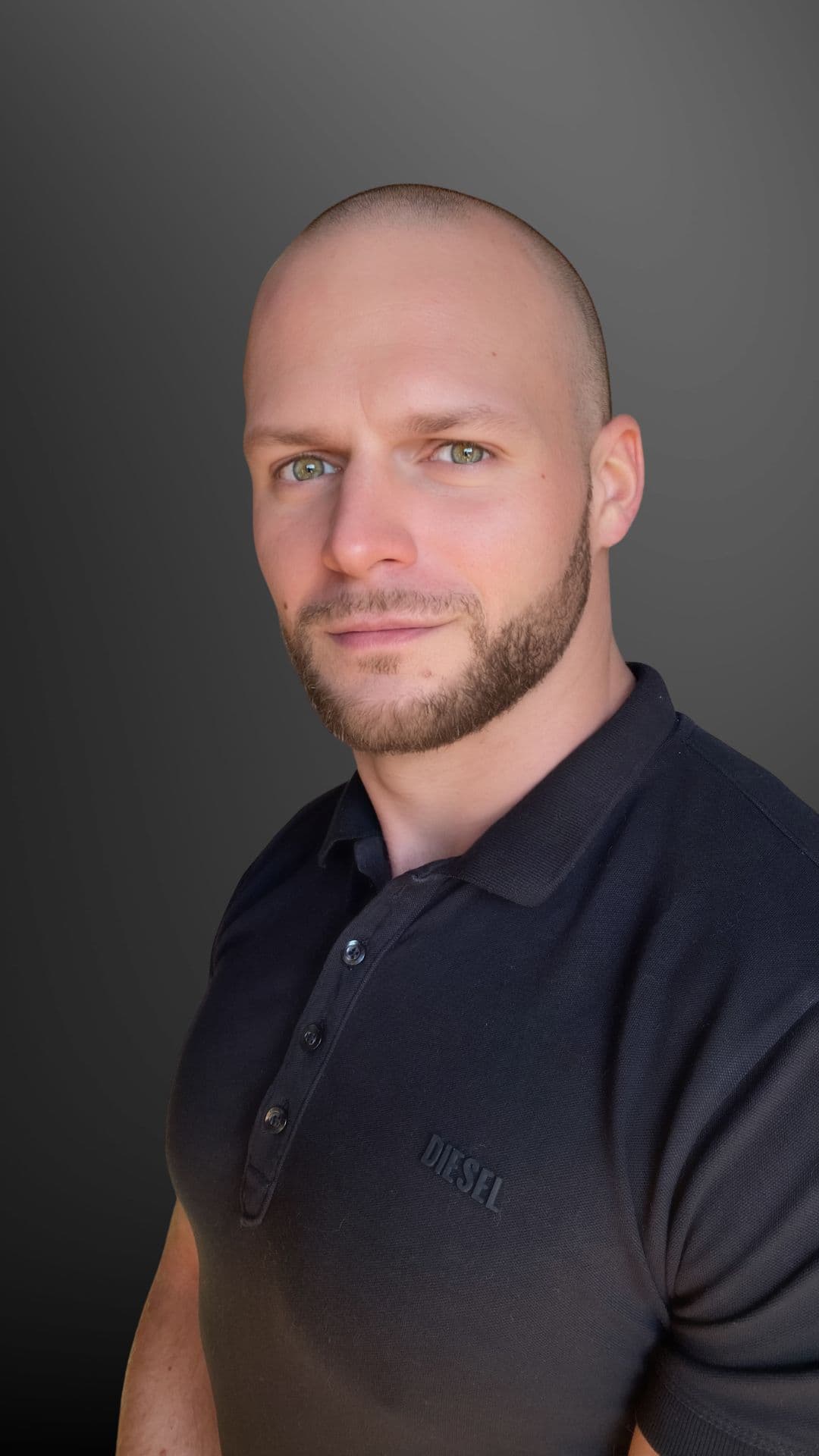
Francesco Zen, founder of ZTraining
Last reviewed 17 November 2026. General information, not medical advice: if you have a health condition, or have not exercised for a long time, talk to your GP before you start.
Twenty minutes, with me.
We talk about your week, your health and what you have tried before. If the programme fits you, I will say so. If it does not, I will say that too.