The hip flexor stretch. Open the front of the hip.
A standing stretch you can do anywhere, and what makes it last.
To stretch your hip flexors, stand tall near something to hold, step one foot back and squeeze the buttock on that side until you feel the front of the hip open. Keep your ribs down, breathe out slowly, then change sides. Repeat it through the day rather than once on the weekend, and add strength so it holds.
How to do the hip flexor stretch.
- 1. Stand tall, near something to hold. A wall, a kitchen counter or the back of a chair. Balance should not be the hard part.
- 2. Step one foot back. Feet hip width apart, the back heel up, both feet pointing forward.
- 3. Squeeze the buttock on the back leg. Feel the front of that hip open. The stretch comes from the squeeze, not from leaning further forward.
- 4. Keep the ribs down. Arching the lower back looks like more stretch and takes it away from the hip.
- 5. Reach up, if you want more. Reach the arm on the side of the back leg overhead, ribs still down, then lower it slowly.
- 6. Breathe out slowly, then change sides. Move gently, and stop if anything hurts.
If you have pain in your hip, groin or lower back, see your doctor or a physical therapist before you add stretches. This page does not treat pain.
The hip flexor muscles are rarely the whole story.
The hip flexor muscles sit at the front of the hip and lift the thigh. In my experience, when they feel tight, the hip is rarely the whole cause.
A tight hip, a rounded shoulder, a sore lower back are rarely isolated. I read the whole structural chain, posture, asymmetries and compensations, before writing a single session. Posture always tells the story: how you stand and move day to day shows the habits that shaped your body. That is the order behind joint-friendly training: core and posterior chain first, then strength, then more range.
Hip flexor stretch mistakes to avoid.
- Leaning into the lower back. If the lower back arches, the hip stops working. Squeeze the buttock and keep the ribs down.
- One long stretch on the weekend. Short ones you repeat through the day matter more than one long stretch on the weekend.
- Stretching and nothing else. In my experience, stretching on its own has worn off by the end of the afternoon. Strength is what holds the change.
- Pushing into pain. A stretch should feel like a pull, not a pain. If it hurts, stop.
Stretching opens. Strength holds.
The stretch is the start. What changes how you stand for longer is strength in the back of the hips and the trunk. I've found the overhead squat essential for long term function and postural strength, so it is one of the first movements I look at. You can check yours at home in the Five Minute Baseline.
For the rest of the hip, see how to improve hip mobility, and for a first routine for the whole body, mobility exercises. Research links short bursts of activity with better health, even in people who do no formal exercise, so a stretch between calls counts.
Short bursts of activity: Nature Medicine, 2022. A link found across a group of people, not a prediction for you.
What people ask first
How long should I hold a hip flexor stretch?
A few slow breaths on each side, moving gently, then change sides. Repeat it through the day rather than holding it for a long time once. How long to hold depends on each client’s mobility and fitness: usually 15 to 20 seconds, and up to 45 for someone untrained.
How often should I stretch my hip flexors?
Little and often. With my busiest clients I often use short windows of stretching and breathwork: one after waking, one in the middle of the day, and one to close the day.
Why do my hip flexors feel tight?
A tight hip is rarely isolated. How you sit, stand and move day to day shapes it, so I look at posture and the whole chain, not the hip alone.
Should a hip flexor stretch hurt?
No. It should feel like a pull at the front of the hip. If it hurts, stop, and if pain in the hip, groin or back lasts, see your doctor or a physical therapist.
What does coaching with ZTraining cost?
Z12 is 12 weeks for £900 in total, charged in pounds sterling, with a full refund if you cancel within 14 days of signing up, even if coaching has started. Z24 is 12 more weeks for £2,100, in one payment or two, only if we both agree it is needed.
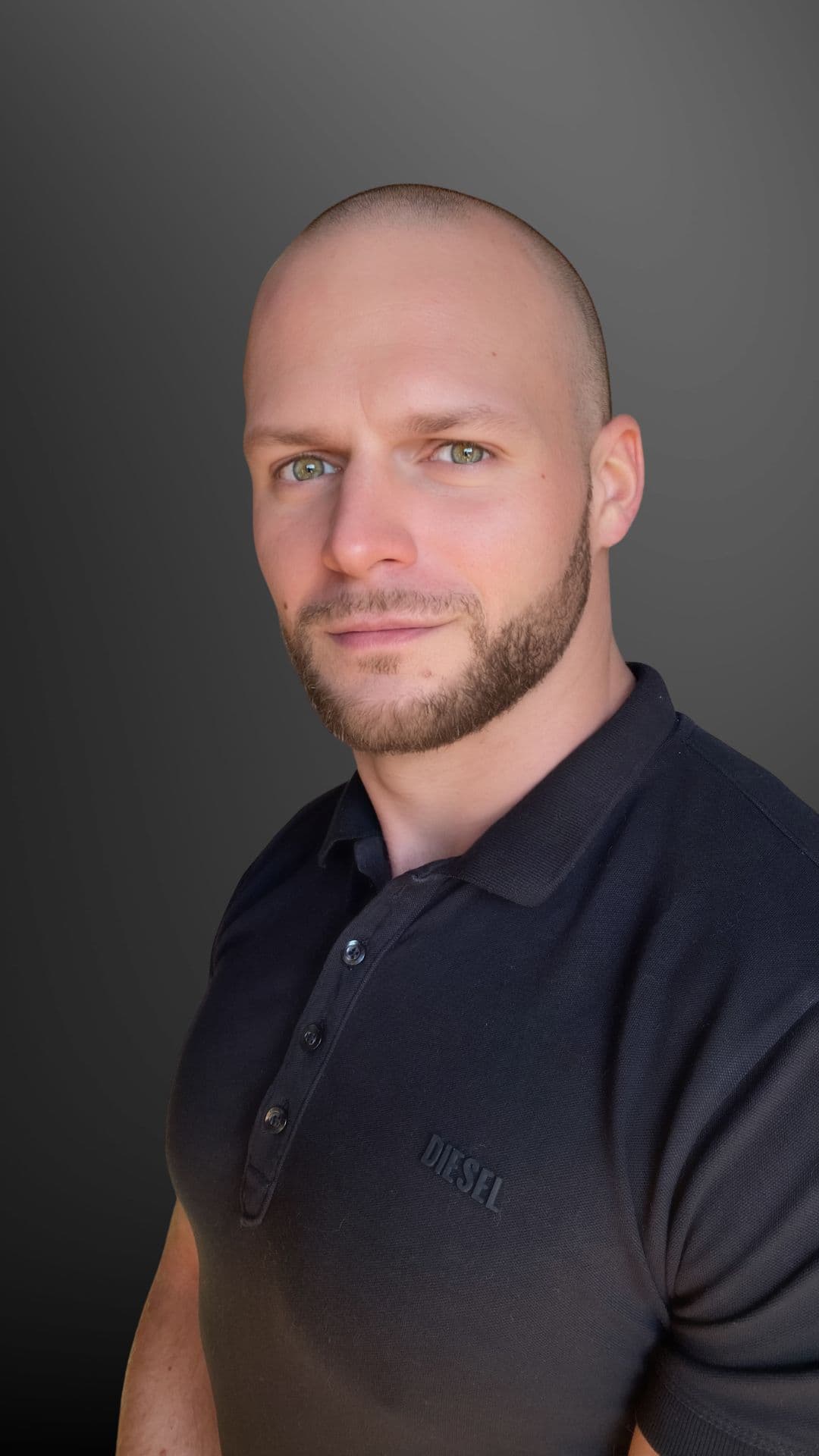
Francesco Zen, founder of ZTraining
Last reviewed November 17, 2026. General information, not medical advice: if you have a health condition, or have not exercised for a long time, talk to your doctor before you start.
Twenty minutes, with me.
We talk about your week, your health and what you have tried before. If the program fits you, I will say so. If it does not, I will say that too.