Core workout at home. Hold, lift, balance.
No equipment, a little floor space.
A core workout at home needs no equipment and a little floor space. Do a trunk hold such as a plank, a dead bug, a hip lift and a one leg stand near a wall, slowly and under control. Make each one harder only when the current version is steady, and train the rest of the body alongside it.
A core strength home workout, in order.
- 1. Measure first. The Five Minute Baseline is three quick checks at home, balance, a squat and your energy, so you know where you start.
- 2. A trunk hold. A plank, with your body in one straight line from head to heels. Sore wrists: a dead bug instead, lying on your back with arms up and knees bent over your hips, slowly lowering the opposite arm and leg while your lower back stays on the floor.
- 3. A hip lift from the floor. Lie on your back, knees bent, and lift your hips until your body is straight from knees to shoulders. Later, one leg at a time.
- 4. A one leg stand. Near a wall or a worktop, with something to hold. Balance is worth training on purpose.
- 5. Make it harder only when it is steady. From two legs to one, and slower, with a pause. The same movement under more control becomes real work again.
- 6. How long, how many. How long to hold depends on each client’s mobility and fitness: usually 15 to 20 seconds, and up to 45 for someone untrained.
- 7. Retest at 12 weeks. The same checks, done the same way, so you can see what has changed.
If you have pain in your lower back, or it lasts, see your GP or a physiotherapist before you start.
Build core strength at home before anything heavier.
I start with the core, the back of the body and posture. They protect the joints that take the most load in everyday movement, before any heavier work begins.
The trunk holds every other movement together. That is why core work sits inside a whole body plan, beside the hip strengthening exercises and the rest of strength training for longevity, not on its own.
Core strength and stability exercises: still in the middle, moving at the edges.
Core stabilisation means the middle stays still while the arms and legs move. I work a lot on the back of the body, the glutes, hamstrings and calves, together with the core. Once it is engaged through the day, people find themselves standing straighter and breathing better. It needs to be part of the routine, not over-engineered.
- Bird dog. On hands and knees, reach the opposite arm and leg out, long from fingertips to heel, hips square. A back stabilisation exercise with no kit.
- Side plank. Elbow under the shoulder, hips stacked and lifted. Both sides.
- Plank shoulder tap. Widen the feet, and refuse to let the hips rotate as each hand lifts.
- Hollow rock. Lower back glued to the floor. Rock from the middle, not the arms.
- A short core circuit. Run the moves above as a circuit, slowly, with rest between them. My home circuit starts at 30 seconds on and 60 off for 15 minutes: eight bodyweight moves, with a plank and mountain climbers among them.
Abs workout at home: common mistakes.
- Letting the lower back arch. In the plank and the hip lift, an arching lower back takes the work away from where it should be. Shorter and cleaner beats longer and sagging.
- Training only the middle. A squat, a push and a pull work the trunk too. See what strength training is for the short list.
- Expecting it to choose where fat goes. A core workout strengthens the trunk. Belly fat is a separate question, with its own page: losing belly fat in your 40s and 50s.
What people ask first
What is the best home workout for core strength?
A trunk hold such as a plank, a hip lift from the floor and a one leg stand near a wall, done slowly and under control. Add a dead bug if your wrists do not like the plank.
Can you build core strength with bodyweight exercises only?
Yes. Harder positions, one leg at a time and slower movements keep the work real for a long time, with no equipment at all.
How often should I train my core?
As part of whole body strength training, which the WHO guidelines for adults put at two or more days a week. My whole method takes about three hours a week, often less.
Should core exercises hurt my back?
No. Stop if they do. If you have pain in your lower back, or it lasts, see your GP or a physiotherapist.
Are core stabilisation exercises suitable for older adults, or alongside physiotherapy?
Start with the supported versions: a dead bug on the floor and a one leg stand near a wall, moved slowly. If a physiotherapist has given you exercises, or you have pain, follow their advice first.
What does coaching with you cost?
Z12 is 12 weeks for £900 in total, with a full refund if you cancel within 14 days of signing up, even if coaching has started. Z24 is 12 more weeks for £2,100, in one payment or two, only if we both agree it is needed.
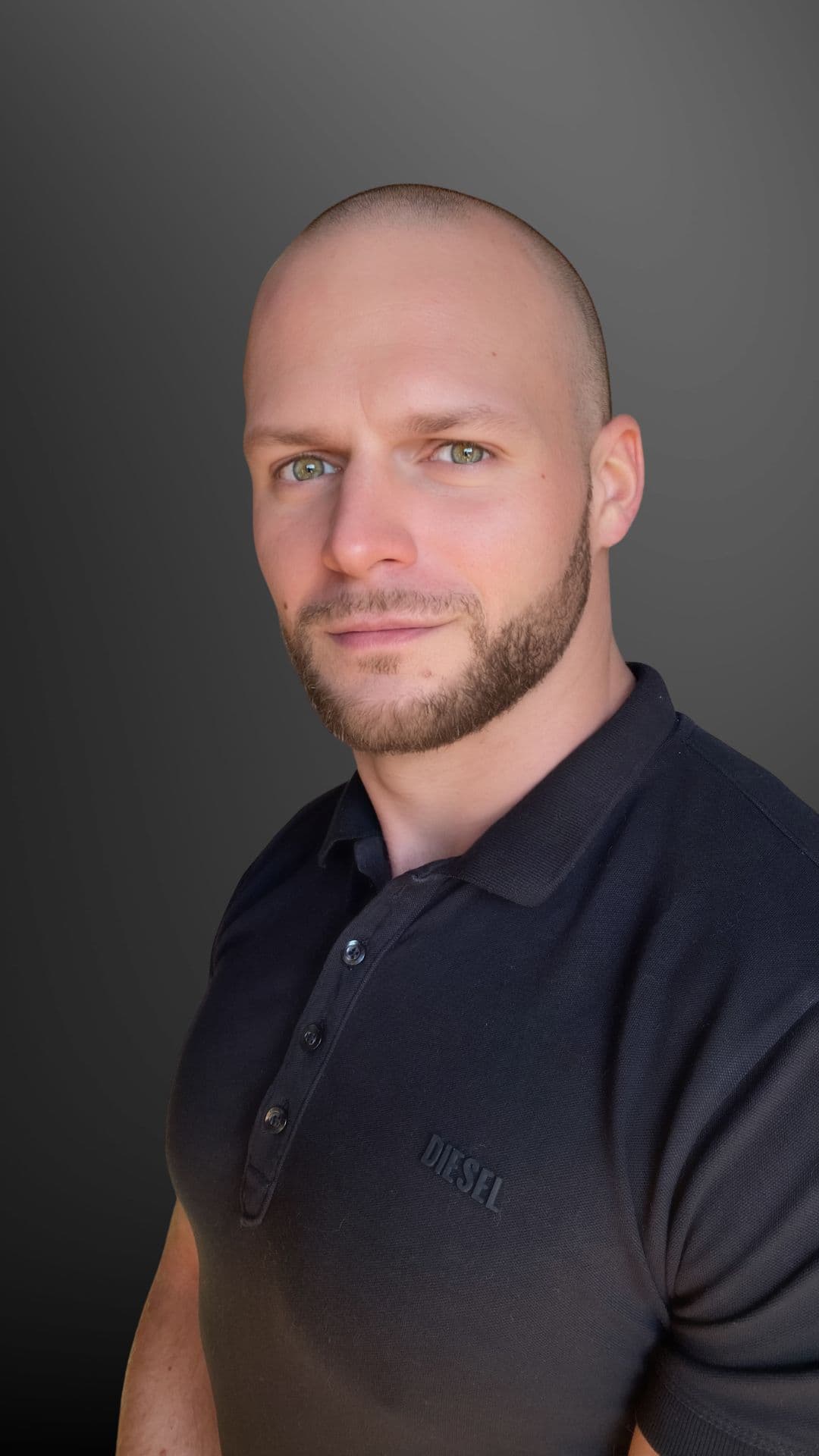
Francesco Zen, founder of ZTraining
Last reviewed 17 November 2026. General information, not medical advice: if you have a health condition, or have not exercised for a long time, talk to your GP before you start.
Twenty minutes, with me.
We talk about your week, your health and what you have tried before. If the programme fits you, I will say so. If it does not, I will say that too.