How to get fit for hiking. Steps, legs, balance.
A plan in order, for longer days on your feet.
To get fit for hiking, walk more and take the stairs, at a pace you can talk through. Add strength on two or more days a week: a squat to a chair, a back lunge and a hip lift for the legs, and a one leg stand for balance. Build the distance gradually, and plan easier weeks in advance.
How to get fit for hiking, in order.
- 1. Measure first. The Five Minute Baseline is three quick checks at home, balance, a squat and your energy, scored on your device.
- 2. Walk more, and take the stairs. For the same time, I prefer steps and stairs to flat cardio. Done properly, they work the back of the body and support posture as a side effect.
- 3. A squat to a chair and a back lunge. Sit down to the chair under control and stand up without your hands. Then step back into a lunge, holding something at first.
- 4. A hip lift from the floor. Lie on your back, knees bent, and lift your hips until your body is straight from knees to shoulders. Two legs first, then one.
- 5. A one leg stand. Near a wall or a worktop, with something to hold.
- 6. Build gradually. Add a little only when it is steady: distance, time or load, one at a time.
Strength on two or more days a week: WHO 2020 guidelines for adults.
Hiking fitness: uphill, downhill and the pack.
Most of the work should feel easy. The British Heart Foundation’s talk test: you can talk comfortably, you feel warm, and you breathe a little more heavily than normal.
If you go for a hike, you should feel capable: no pain, and it should not feel difficult. That is enough strength for life, and it is what I train for. Incline walking, perhaps with a weighted vest or a backpack, is a good way to prepare. But a good combination of strength training, functional exercise and cardio will get you ready for a hike anyway, and hiking is a very good way to stay fit.
Talk test: British Heart Foundation.
Getting fit for hiking starts with the base.
I build training in a fixed order. Physical efficiency first: posture, stability, and the movements daily life asks for. Then capacity: the heart and lungs. The first layer is what keeps the others possible. Strength training for longevity sets out the order in full.
The same base carries into other sports: see strength training for runners and how to get fit for tennis.
Fit for hiking, around your week.
You train on your own, from a plan I write, at home, in a hotel room or in a gym. My method takes about three hours a week, often less.
If you have pain in a knee, a hip or your back, or an injury, see your GP or a physiotherapist before you carry on. If you have had falls or dizziness, ask your GP before you try any balance work. If you have a heart condition, ask your GP first.
What people ask first
What exercises help with hiking?
Steps and stairs, a squat to a chair, a back lunge, a hip lift from the floor and a one leg stand. Together they cover the legs, the back of the hips and balance.
How often should I train to get fit for hiking?
Strength on two or more days a week, which is the WHO guideline for adults, plus walking at a pace you can talk through. My method takes about three hours a week, often less.
Can I get fit for hiking without hills nearby?
Yes. Use stairs for the climbing, and the strength work needs only a chair, a wall and some floor. Build the time on your feet gradually.
Why train balance for hiking?
Uneven ground asks you to stand on one leg more than a pavement does. Practise near a wall or a worktop, with something to hold.
What does coaching with you cost?
Z12 is 12 weeks for £900 in total, with a full refund if you cancel within 14 days of signing up, even if coaching has started. Z24 is 12 more weeks for £2,100, in one payment or two, only if we both agree it is needed.
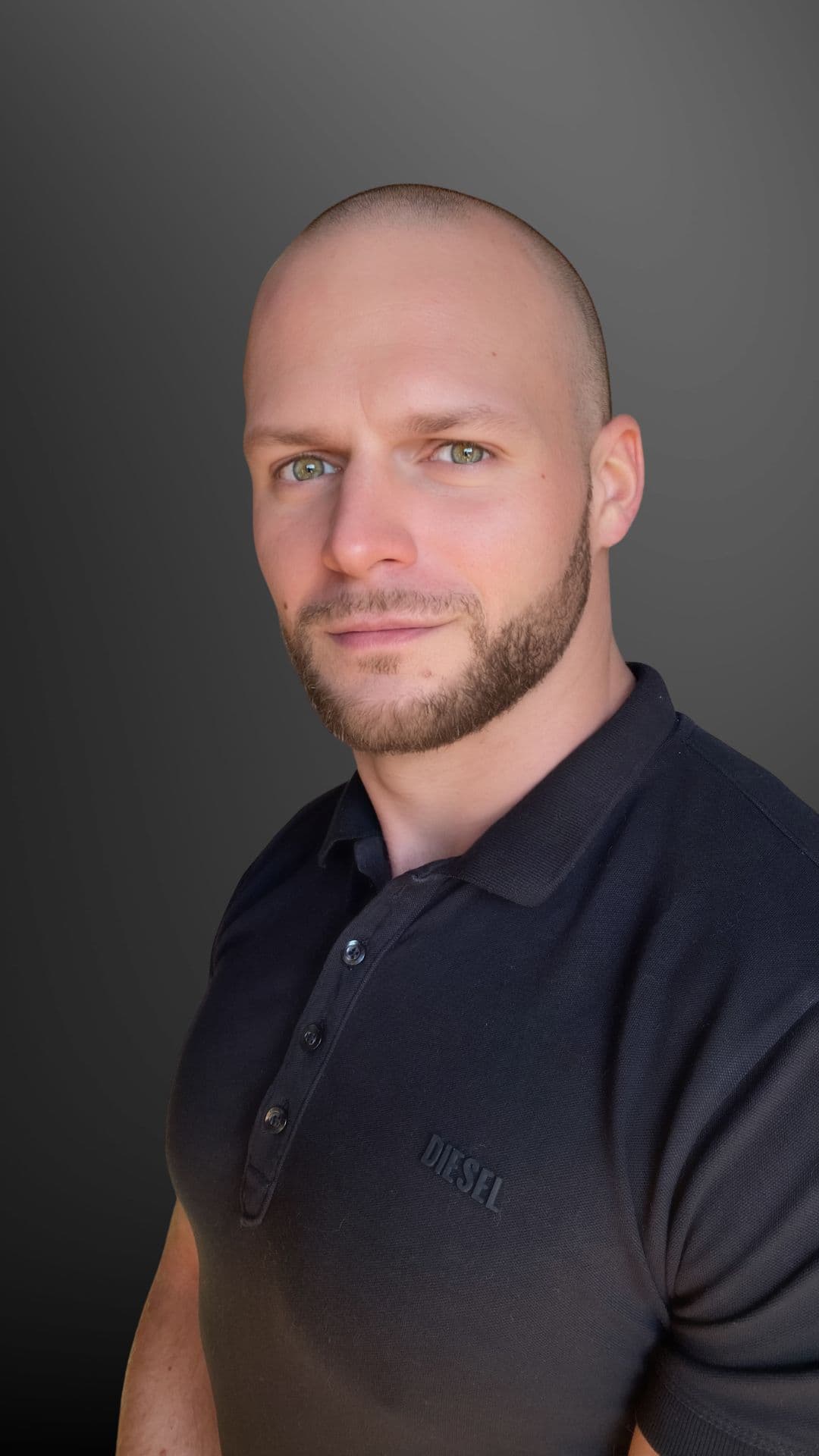
Francesco Zen, founder of ZTraining
Last reviewed 17 November 2026. General information, not medical advice: if you have a health condition, or have not exercised for a long time, talk to your GP before you start.
Twenty minutes, with me.
We talk about your week, your health and what you have tried before. If the programme fits you, I will say so. If it does not, I will say that too.