Strength training without weights. Harder positions, not heavier.
Your body weight, a chair and the floor.
You can build strength without weights by working your body weight through harder positions: a squat to a chair, push-ups from wall to floor, a back lunge, a hip lift, a plank and a row with a band or a loaded backpack. Make each one harder by changing the position or slowing it down.
Body weight training exercises, in order.
- 1. Measure first. The Five Minute Baseline is three quick checks at home, balance, a squat and your energy, so you know where you start.
- 2. A squat to a chair. Sit down to the chair under control and stand up without using your hands.
- 3. Push-ups, wall first, then the floor. Hands on a wall, then a kitchen worktop, then the floor. Your body stays in one straight line.
- 4. A back lunge. Step back, lower the back knee towards the floor, push through the front foot to return.
- 5. A row. A resistance band fixed in a closed door, or a backpack loaded with books, pulled towards your ribs.
- 6. A hip lift and a plank. The back of the body and the trunk: see a core workout at home.
If you have a health condition, or have not exercised for a long time, talk to your GP before you start.
Body weight resistance exercise: how to make it harder.
- Change the position. Wall to worktop to floor for push-ups; two legs to one for the hip lift; a chair to a lunge for the squat.
- One side at a time. One leg or one arm carries the whole load.
- Slow the lift down. The same movement, lowered under control with a pause at the bottom, becomes real work again, and your joints carry no more load to get there.
- Shorten the rests. The short rest, more than any single exercise, is what makes a circuit demanding in a small amount of time.
A body weight workout routine, before breakfast.
The workout I give most busy professionals is a short full body circuit before breakfast: bodyweight movements one after another, with very short rests, done before the day can take the time back. I set the work, the rest and the number of rounds for each client, by their level.
Full body means every session covers everything, so a missed morning costs far less. For what counts as strength training, see what is strength training, and for why it matters, strength training for longevity.
What people ask first
Can you build muscle without weights?
Yes, in my experience, for a long time. Harder positions, one leg or one arm at a time, and slower lowering keep the work real. When that stops being enough, a pair of dumbbells or a kettlebell is all most people need.
What are the best strength exercises with no equipment?
A squat to a chair, push-ups from wall to floor, a back lunge, a hip lift and a plank. A row needs a band or a loaded backpack, which most homes have.
What equipment do I need for body weight training?
A chair, a wall and a little floor space. A resistance band or a backpack adds a row for the upper back.
How often should I do a body weight workout?
The WHO guidelines for adults include muscle strengthening of the major muscle groups on two or more days a week. My whole method takes about three hours a week, often less.
What does coaching with you cost?
Z12 is 12 weeks for £900 in total, with a full refund if you cancel within 14 days of signing up, even if coaching has started. Z24 is 12 more weeks for £2,100, in one payment or two, only if we both agree it is needed.
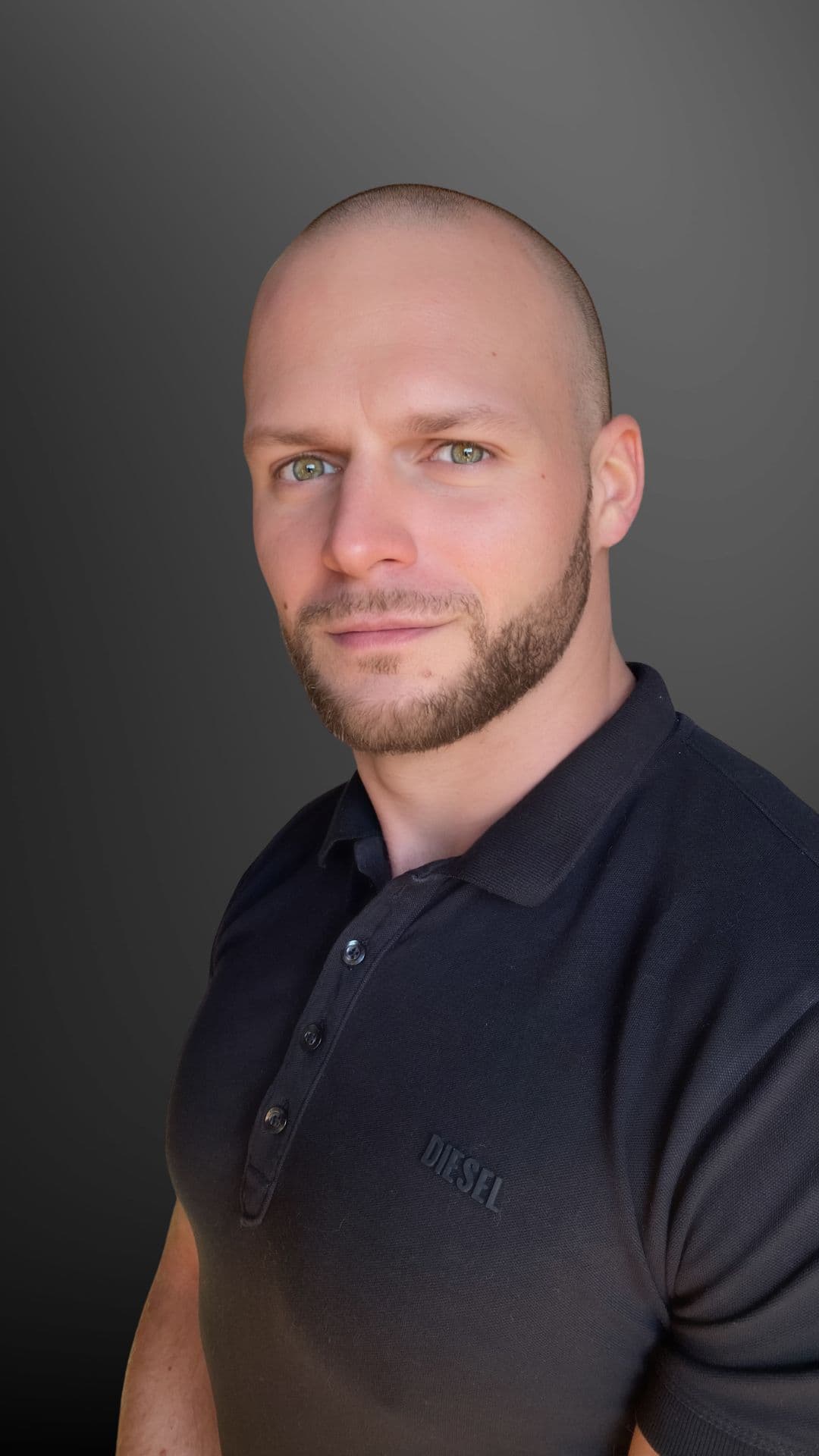
Francesco Zen, founder of ZTraining
Last reviewed 17 November 2026. General information, not medical advice: if you have a health condition, or have not exercised for a long time, talk to your GP before you start.
Twenty minutes, with me.
We talk about your week, your health and what you have tried before. If the programme fits you, I will say so. If it does not, I will say that too.