Grip strength exercises at home. Carry something heavy.
Your hands do the work in everything you lift.
To train grip strength at home, carry something heavy: a pair of dumbbells, a kettlebell or full shopping bags, walking tall. Then hold them still, row with a band or a loaded backpack, and hold a plank on your hands. Make each one harder only when it is steady: longer, heavier, or one hand at a time.
Grip strength exercises at home, in order.
- 1. A carry. Walk holding a pair of dumbbells, a kettlebell or full shopping bags at your sides, standing tall. The shopping counts.
- 2. A hold. At the end of the carry, stand still and keep holding, shoulders down. How long I ask anyone to hold a position depends on their mobility and fitness: usually 15 to 20 seconds, and up to 45 for someone untrained. Stop early if your grip starts to open.
- 3. A row. A resistance band fixed in a closed door, or a backpack loaded with books, pulled towards your ribs. Your hands hold on while your back does the pulling.
- 4. A plank on your hands. The top of a push-up, body in one straight line. More trunk work is on a core workout at home.
- 5. Make it harder only when it is steady: a longer carry, a heavier weight, or one hand at a time, which also asks the trunk to keep you straight.
Pain in the hand, wrist or elbow that lasts: see your GP or a physiotherapist.
Grip strength training at home: why it is worth it.
Your hands hold every dumbbell, every bag and every rail. That is why carrying something heavy sits in the short list of strength training exercises, beside a squat, a push, a pull, a hinge and a trunk hold. The list is on what is strength training.
In about half a million adults aged 40 to 69, higher grip strength was linked with a lower risk of death from any cause and of cardiovascular disease. A link found across a group of people, not a prediction for you.
Grip strength test: how hand grip is measured.
A hand grip strength test is a squeeze on a handheld meter, in a clinic or a study, read in kilograms for each hand. Compared with measures of fitness and physical activity, grip strength is easily measured, cheap and highly reproducible in clinical practice.
At home, without a meter, the carry is your test. Note how far you walk, or how long you hold, before your grip wants to open, and repeat it the same way. Grip is not one of the five measures I use in coaching; those are on the tests.
Grip strength measurement: Celis-Morales et al. 2018, BMJ.
Home exercises for grip strength, inside a whole body plan.
Strength sustains your posture and gets you through the small tasks of every day. How much is enough? You should feel strong, without excessive effort, in anything you do. On a hike, or lifting a bag, you should feel capable, with no pain, and it should not feel difficult. That is enough strength for life.
Grip is trained best inside the big movements, not on its own. The WHO guidelines for adults include muscle strengthening of the major muscle groups on two or more days a week, and the carry and the row fit into those sessions. My whole method takes about three hours a week, often less.
How do you know your grip is improving? The same carry feels steadier: you walk further, or hold longer, before your hands want to let go, and then you can take a heavier weight or one hand at a time.
Measure where you start with the Five Minute Baseline, three quick checks at home for balance, a squat and your energy. Why strength matters over the long term is on strength training for longevity.
Sources and related pages.
What people ask first
What is the best grip strength exercise at home?
A carry: walk holding something heavy at your sides, standing tall. Dumbbells, a kettlebell or full shopping bags all work.
Do I need special equipment for grip training at home?
No. A pair of dumbbells helps, but full shopping bags, a loaded backpack and a resistance band are enough to start.
How often should I train grip strength?
Inside your strength sessions, on two or more days a week, as the WHO guidelines for adults suggest for muscle strengthening. A carry and a row cover it.
What if my hands or wrists hurt?
Stop the exercise that hurts. If the pain lasts, see your GP or a physiotherapist.
What does grip strength say about health?
In about 140,000 adults in 17 countries, lower grip strength was linked with a higher risk of death from any cause and from heart and circulatory disease. A link found across a group of people, not a prediction for you.
What does coaching with you cost?
Z12 is 12 weeks for £900 in total, with a full refund if you cancel within 14 days of signing up, even if coaching has started. Z24 is 12 more weeks for £2,100, in one payment or two, only if we both agree it is needed.
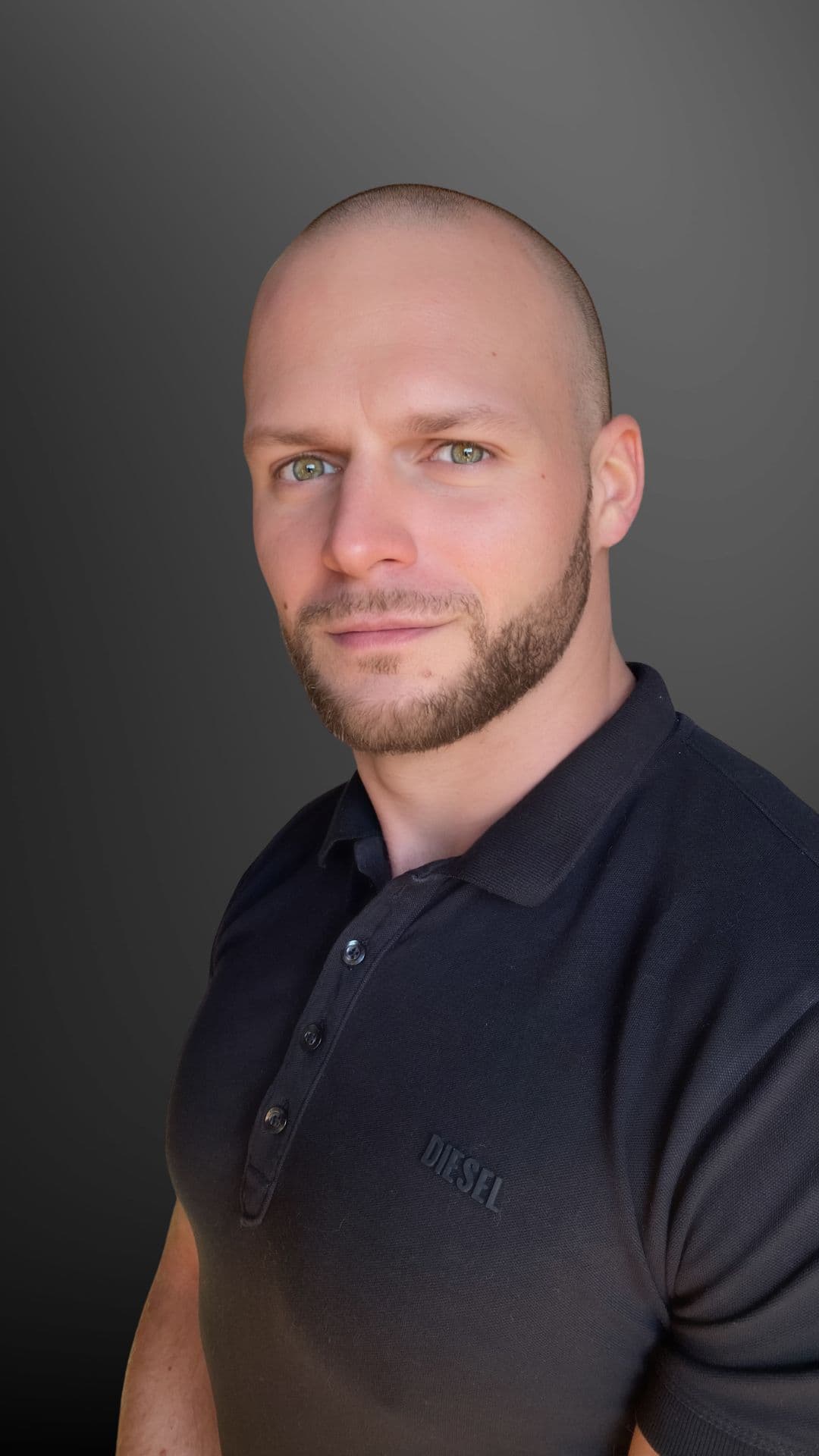
Francesco Zen, founder of ZTraining
Last reviewed 17 November 2026. General information, not medical advice: if you have a health condition, or have not exercised for a long time, talk to your GP before you start.
Twenty minutes, with me.
We talk about your week, your health and what you have tried before. If the programme fits you, I will say so. If it does not, I will say that too.